Revolutionizing Precision Machining Automation: The Unsung Hero of Industry
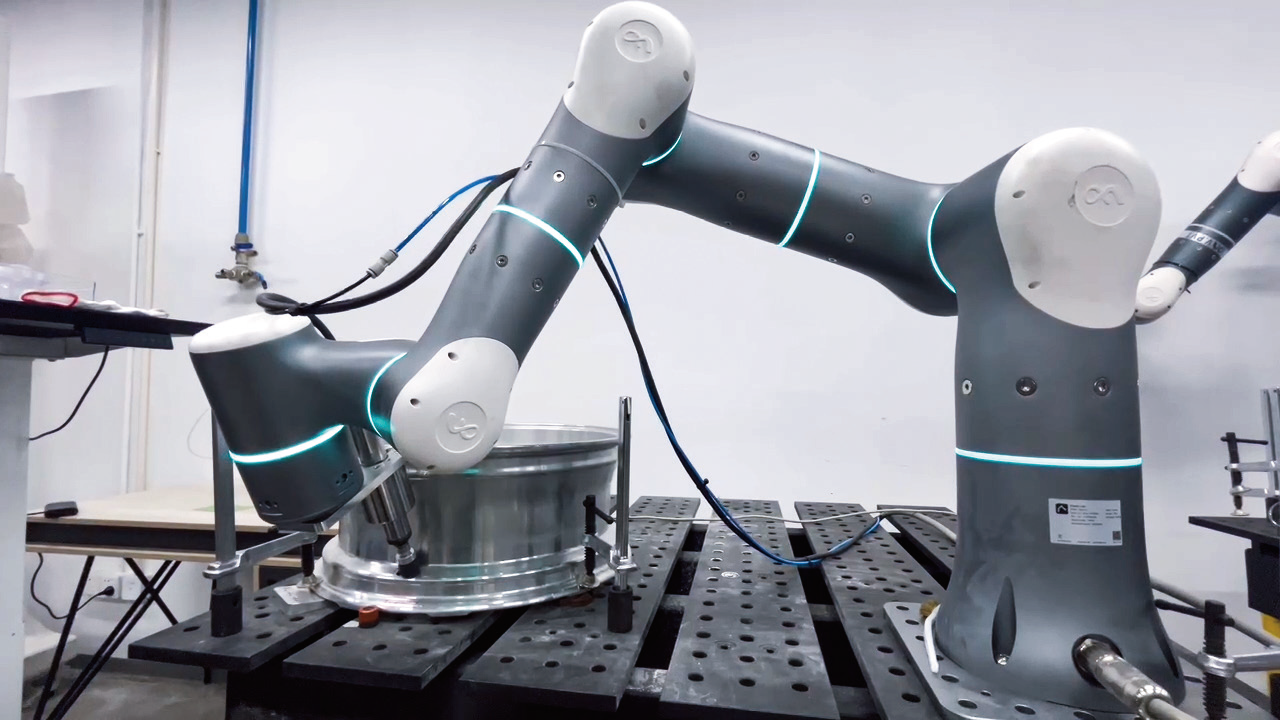
A Glimpse into the World of Precision Machining Automation
Imagine stepping into a machine shop buzzing with activity, where every second counts in delivering precision components. Did you know that over 80% of manufacturing firms report challenges with outdated machining techniques? Precision machining automation, particularly through robot machining, is rapidly transforming this landscape. It promises efficiency and precision, but has it truly reached its potential?
The Pain Points of Traditional Solutions
As I navigated through various workshops, I've often encountered the same frustrations: long lead times, human error in setup, and inconsistent quality. Traditional CNC machines, while reliable, can’t keep up with the demands of the modern market. This mismatched pace leaves manufacturers grappling with slow turnaround times—frustrating, right? The solution could very well lie in embracing automation over stubborn reliance on outdated methods.
 What Makes Robot Machining Different?
With robot machining, there’s less trial and error and increased repeatability. I can recall a scenario where a client transitioned from manual cutting to automation and saw a 30% reduction in production time within just six months. Each robotic arm operates with meticulous precision, reducing scrap rates and enhancing productivity. This isn’t just a trend; it’s a paradigm shift.
A Forward-Looking Perspective on Automation
So, what does the future hold for precision machining? As I reflect on industry trends, the trajectory indicates a rise in collaborative robots (cobots) working alongside human operators. Unlike the traditional perception of automation, cobots are designed to be user-friendly and adaptable. With the increasing adoption of AI technologies, can we harness these innovations to predict maintenance needs, essentially preventing downtime? This isn’t pie-in-the-sky optimism; it’s swiftly becoming a reality.
Real-World Impact of Transitioning to Automation
In recent years, my team collaborated with a mid-tier manufacturer who embraced robot machining solutions. In just one year, they reported a 25% increase in production capacity and a notable improvement in employee morale—workers were freed from monotonous tasks and could focus on higher-level operations. Automation isn't just changing how we produce—it’s redefining workplace culture.
Key Takeaways for the Future of Your Operations
To truly capitalize on the benefits of precision machining automation, here are three key evaluation metrics that I recommend. First, consider the overall equipment effectiveness (OEE). This metric reveals how well your manufacturing processes are running. Second, assess the return on investment (ROI) for implementation. Are the financial benefits greater than the costs? Lastly, focus on flexibility in your production lines—can they adapt to varying demands effectively?
Throughout my 15 years in this sector, it's clear that the future is bright for those willing to innovate. As we collectively move towards a more automated and precise future, I firmly believe that it's not just about technology; it's about how we integrate it into our human-centered workflows. Emphasizing collaboration and adaptability will be the cornerstone of success. Now’s the time for action—are you ready to explore the possibilities? Your journey into precision machining automation awaits with nan at your side.