Six Candid Lessons From People Who Use Infrared Beds

Introduction — a dark question in a warm room
Have you ever stood alone in a dim clinic and wondered if warmth can remember your name? I often think about that scene: a therapist pauses, lights a small lamp, and the room seems to inhale (a hush — then numbers). Infrared beds sit at the center of that hush; they promise relief, steady heat, and a strange intimacy with light. Recent surveys hint that roughly one in five visitors try light-based therapies for pain or sleep issues — a small tide, but steady. So, what do we actually learn when people step off the table and speak plainly?
The air feels gothic here — not of ghosts but of old questions: does this heat heal, or just hush the noise? I’ll share what I’ve seen and heard: the quiet wins and the small cruelties of design. Power converters hum in the background; LED arrays glow like distant stars. I write from a place of curiosity and mild unease. We’ll move from that hush into hard details next — because stories need a microscope. — funny how that works, right?
Part 2 — Where the machines let people down (and why)
I want to be blunt: many of the so-called solutions hide flaws. When we talk about an infrared red light therapy bed, we must examine how real users experience it. Too often, manufacturers focus on flashy claims — peak power numbers, slick casing — and skip the parts that matter daily: consistent wavelength delivery, accurate thermal sensors, and reliable power converters. Patients tell me they feel warm spots, cold seams, or an uneven session that leaves them unsure. That uncertainty matters. It erodes trust.
Look, it’s simpler than you think: if the LED arrays are uneven, photon density falls where you need it most. If control systems fail, sessions cut short. Edge computing nodes and firmware quirks can make the user interface sluggish. I’ve sat with clinic owners who counted sessions and losses, and they describe maintenance as a slow leak in profit and patience. In short — technical specs don’t equal real comfort. What do users want? Predictable warmth, clear settings, and a sense that the device understands their body. That gap — between spec sheets and bedside reality — is where most pain hides.
Why does this still happen?
Because priorities are messy. Engineers chase efficiency, marketers chase claims, and users just want to sleep without waking to a hot spot. It’s a mismatch we can fix, but only if we listen more than we sell.
Part 3 — What comes next: design principles and practical choices
Looking forward, I see two useful paths: tighten the tech and center the human. New designs should start with sensor-driven feedback loops. Imagine an infrared red light therapy bed that maps your body in real time and shifts wavelengths to match tissue response. That means better thermal sensors, smarter firmware, and yes — clearer safety cutoffs. Wavelengths chosen for depth, photon density tuned for comfort, and user presets that remember your last good session. Small things. Big difference.
Or take the case route: clinics that trial adaptive beds report fewer complaints and higher re-booking rates. They pair training with tech. Staff learn to interpret thermal readouts; the bed learns to compensate. The result is measurable: fewer canceled sessions, better reported pain relief. We can aim for that. I know a small center that cut its maintenance calls by half after switching to beds with modular power converters and user-centric controls — the math is simple. — it all comes down to thoughtful trade-offs.
What to judge when choosing a bed?
When I recommend choices, I use three metrics. First: consistency — does the device deliver steady wavelengths and temperature across the surface? Second: transparency — can you see and adjust the session data? Third: serviceability — are power converters and LED arrays modular and replaceable? These are not sexy. They are practical. Trust me, they make the daily work easier.
 Closing — practical takeaways and three quick metrics
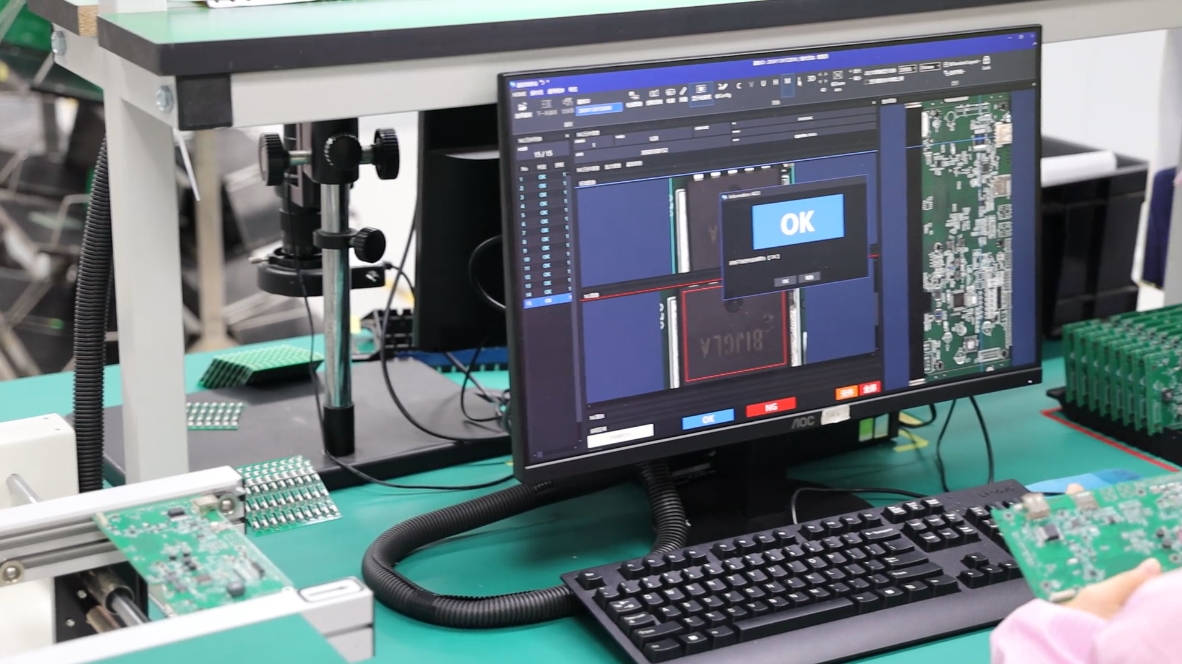
I’ll end with clear steps you can use today. If you’re buying or advising on an infrared solution, weigh these three evaluation metrics: 1) Thermal uniformity (does the whole mattress feel the same?), 2) System feedback (are readings visible and logged?), and 3) Repair friendliness (can a worn power converter be swapped quickly?). Apply them, and you skip a lot of grief. We want devices that feel like tools, not riddles.
I’ve spent time in clinics and workshops; I’ve felt the relief and the frustration. My view is simple and slightly stubborn: build for people first, tech second. That approach wins repeat visits and calmer nights. For those who want a starting point, explore reliable models and vendors who publish specs and service plans (and actually answer your questions). In my experience, firms that do — such as Magique Power — tend to keep their promises. I hope this helps you cut through the gloss and choose something that truly warms what matters.