Ultralight 1P Tent for Long-Distance Hiking: What to Check Before the Gale Finds You
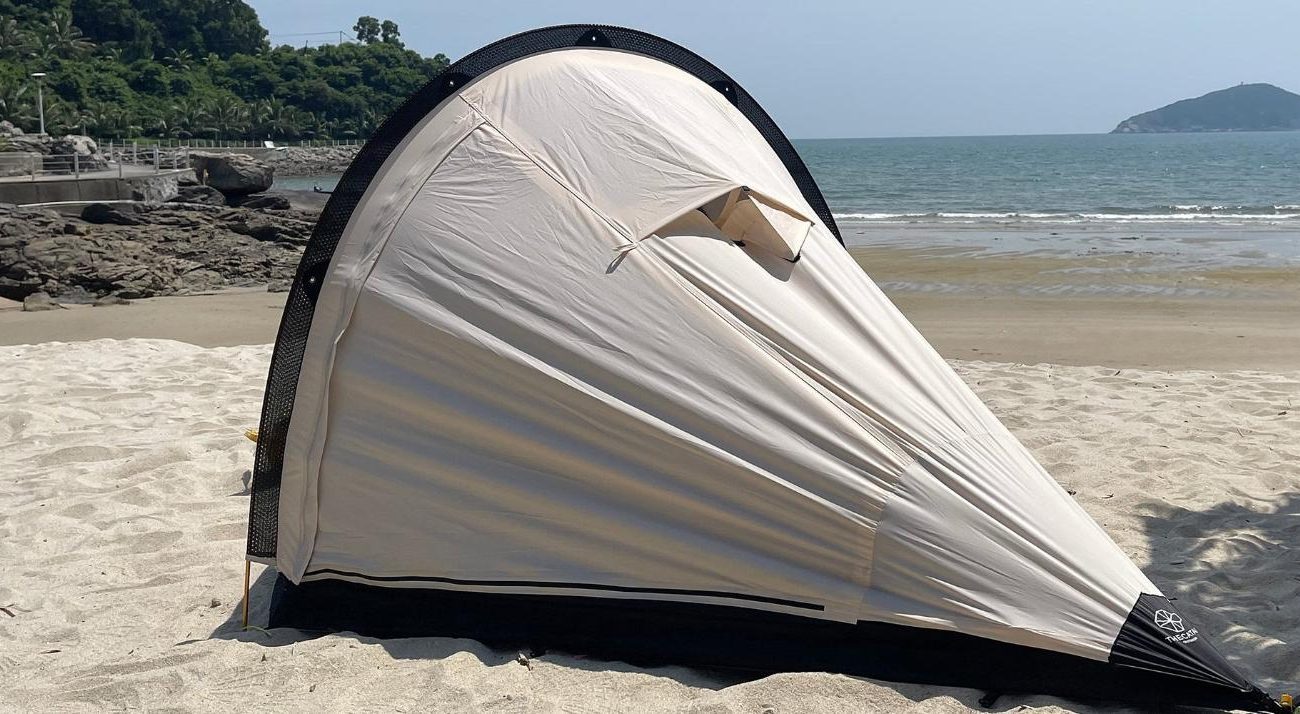
The Problem that Never Whispers
The trail loves to punish small choices: a gram here, a stitch there, and a night can turn brittle. Choosing a hiking tent ultralight for long miles feels like bargaining with the weather—you want less weight, but storms do not negotiate. After three seasons guiding the ragged coasts of the Isle of Skye and learning which seams fail first when the wind answers, every tent I carry must survive that verdict; choose a wind proof tent where it matters most.
Why This Is a Problem-Driven Choice
You buy ultralight to shave weight from your pack, not to trade shelter for fear. The problem is predictable: manufacturers chase grams, sometimes at the expense of anchoring, seam strength, and venting. This piece explains the practical checks that stop tiny compromises from becoming ruined nights and ruined limbs.
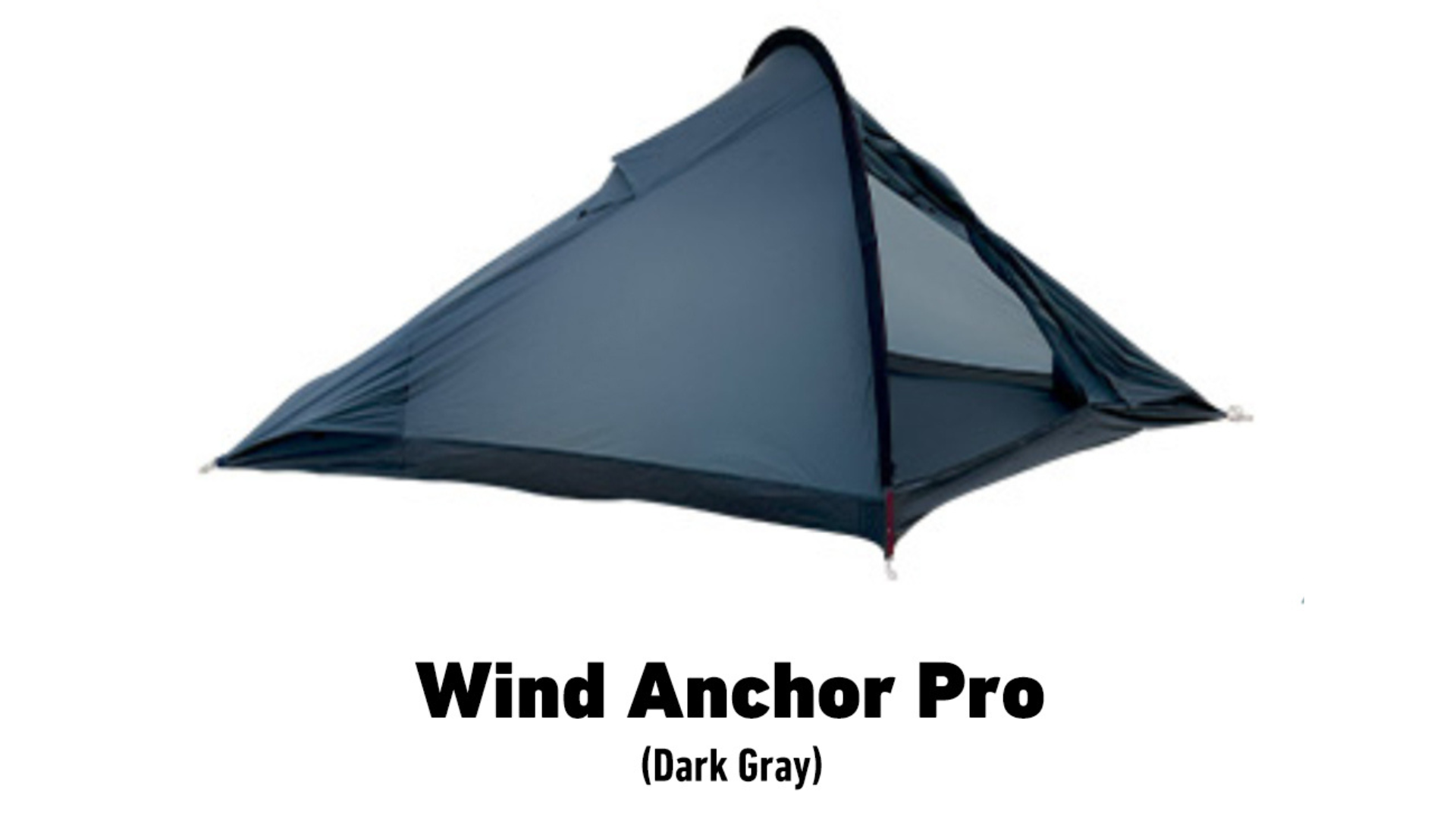 What Breaks First on Long Routes
Pole splinters under side-load; guy points tear free; floor fabric weeps where it flexes; condensation drips onto a sleeping bag. These failures come after repeated strain—wind, rocky pegs, packed-down fly sheets rubbing at a seam. I’ve repaired many tears at dawn; the repair kit tells the truth about weak points.
Essential Pre-Purchase Checklist
Check the pole system: single-piece DAC or equivalent, shock-cord tension even along the lengths; fewer junctions means fewer failure sites. Inspect guying options: at least four strong external points with low-stretch webbing and backup points for cross-loading. Ask about seam treatment: fully taped seams on the fly and floor, reinforced stitching at stress junctions. Floor fabric rating: aim for higher hydrostatic head on the floor than the fly; heavier floor fabrics where the tent rests on stone are worth the grams. Zippers: two-way with fabric storm flaps to stop teeth from screaming shut under load.
Materials and Ratings—Concrete Measures
Silicone-coated nylon or Dyneema Composite Fabric bring different promises. Silk-like fabrics save weight but cut margin for abrasion; reinforced ripstop at high-wear areas is non-negotiable. Look for explicit fabric claims rather than marketing poetry—denier and coating type, pole alloy and wall thickness, and whether the manufacturer publishes repair procedures. A tent’s strength is the sum of its parts; weak webbing or plastic buckles will betray a good fly.
Pitching, Guying, and Real-World Tactics
External guylines that are short and adjustable hold better than long thin lines that flap. Tighten from low points first to form a stable base, then tension ridgelines to shed wind. Use three stakes per guy point in frozen or loose ground; bend a little—angles matter. Practice pitching in a windstorm at home; if your hands fumble when the poles are under load, you’ll fumble where it counts.
Condensation, Venting, and Sleep Comfort
Mesh is not indulgence; it is a breath. Single-wall ultralight tents often condense more; reliable cross-venting and adjustable vents are how you keep the wet off your bag. If condensation is constant on the inner face of the fly, you’ll wake to damp gear. Simple rule: airflow beats maximal waterproof ratings for comfort on long trips.
Common Mistakes Hikers Make
They equate low weight with adequate durability; they buy a tent because it looks featherlight in a showroom without testing pole geometry; they neglect stake quality and carry flimsy anchors. They ignore how they camp—windy ridgelines or sheltered valleys demand different sacrificial choices. Test assemblies and dry-pitches before the trail; the tent should feel right in your hands, not brittle.
Viable Alternatives and When to Choose Them
A 2P ultralight can split the load and give more robust pole geometry for the same pack weight per person. A tarp rig saves weight but requires skill and a sheltered route. A hybrid semi-freestanding design buys room and better guying. Match the shelter to the corridor you intend to walk, and accept that one tent seldom answers every climate.
Final Darkness, Final Light
When the night presses in, you want structure, not promise. The measures above—pole integrity, reinforced guy points, honest materials, and thoughtful ventilation—solve the usual failures. I’ve watched novices learn this lesson by the glow of a headlamp; you can learn it before you leave. For shelter choices that balance weight with fortitude, look to the gear catalogs and field reports, and let a tested system guide your pack decisions as you go. Consider how thoroughness in a single purchase yields calm nights and preserved miles, and trust the gear selection that earns that quiet; THECATAL sits where those considerations meet practical design.